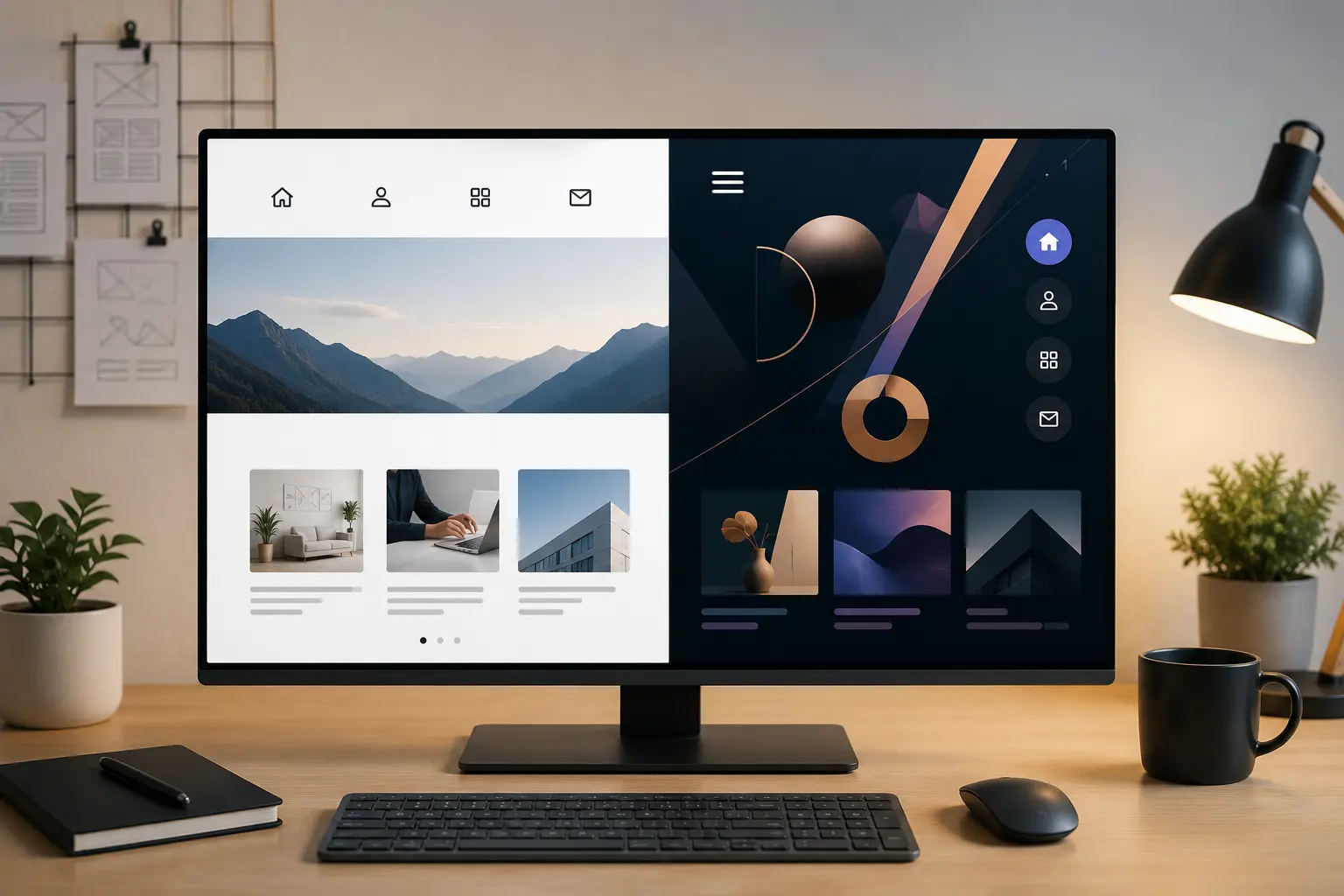
A basic understanding of web design helps you make better decisions when hiring a designer. You’ll find it easier to compare quotes, assess quality and understand project timelines. Even without coding or design skills, you’ll know which questions to ask.
At GraphEdge, we help businesses plan websites that meet their goals and customers’ needs. Our experience with web design projects helps us identify common planning mistakes before work begins.
This guide explains the basics of web design and what you should decide before requesting quotes. You’ll also learn how to review a designer’s portfolio.
What Does Web Design Knowledge Mean for a Business Buyer?

Web design knowledge helps you understand how a website looks, works and serves its visitors. It includes layout, user experience and basic development, all of which help you make better decisions about your website.
Three web design concepts are worth understanding before you hire a designer.
Web Design vs Web Development: Why the Difference Shapes Your Budget
Web design covers the look and layout of your pages, while web development covers the code that makes them work. Both work together to create a website that looks good and functions as visitors expect.
The cost also depends on the type of website you need. For example, a brochure website usually costs less because it needs less development work. In comparison, a booking system costs more because it needs extra features to manage bookings and payments.
You should ask the agency to list design and development costs separately (one simple question could save you money before you sign). A breakdown of these costs will help you see exactly where your budget goes.
The Skills a Good Web Designer Brings to Your Project
A good web designer knows how to create a website that looks appealing and works well for visitors. They use clear layouts, colour theory and white space to make each page easy to understand and use.
That mix of design skills takes real training and fluency with web design tools. According to the Australian Bureau of Statistics (ABS), most jobs in this occupation group require skills equivalent to a bachelor’s degree or higher. This gives you an idea of the level of training these roles generally involve.
You can often see the value of that training in the small details of a website. Good spacing, contrast and visual hierarchy help visitors move through each page with ease. At GraphEdge, we’ve seen how these design choices help visitors find information and complete forms.
How Digital Literacy Protects You from Overpriced Quotes
Basic web design knowledge helps you understand what you’re paying for and avoid unnecessary costs. If you know how a content management system works, you could update your own web pages without paying a developer.
The same knowledge can help you assess extra charges in an agency’s quote. For example, most modern websites include responsive design as standard. So if an agency charges extra for mobile support, ask what additional work the fee covers (it’s worth questioning that fee).
Website Planning: What to Sort Out Before You Request Quotes
Once you understand the basics of web design, the next step is to plan what your website needs. Many businesses request quotes before they’ve worked out their goals and requirements.
However, if you have a clear plan before contacting an agency, you’ll find it easier to explain your needs and compare quotes.
Work through the following points before contacting any agencies:
- Goals And Audience: It’s important to decide what you want your website to achieve before you start planning. The Australian Government’s business website guide also recommends setting clear goals as the first step. Start by choosing one action you want visitors to take.
- Content Readiness: Missing text, images and branding materials often delay website projects. Have them ready before the design process begins to avoid delays later.
- Must-Have Features: Every function you name can affect the price, including contact forms, bookings, eCommerce and content management. So if you list these features early, you’ll reduce the risk of extra requests that delay the project.
- Budget And Timeline: You should have a realistic budget and timeline in mind before contacting an agency. When you share these details, the agency can plan around your needs and provide a suitable quote.
A one-page brief is enough to cover these points, so share the same document with every agency you contact. This way, you’ll receive quotes based on the same requirements, which makes them easier to compare.

Spotting Quality in a Web Designer’s Portfolio and Blog Posts
An agency’s portfolio and blog posts can tell you a lot about its web design skills and experience. The portfolio shows you examples of completed projects, while blog posts give you an idea of the team’s knowledge and approach.
Start your portfolio review by visiting the websites featured in the agency’s portfolio. Open two or three on your phone to see how well they work on smaller screens (a screenshot won’t show you a broken menu).
You should also check how quickly each site loads and how easy the buttons are to tap. Plus, notice whether you can read the text without zooming in.
After reviewing a few websites, take a look at the agency’s other projects. If you notice the same layouts and design elements across several websites, the agency may rely heavily on templates.
The agency’s blog posts are worth reviewing as well. Look for articles that explain web design principles and the design process in plain English. These articles will give you a better idea of the team’s knowledge and experience than general posts about web design trends.
Informed Buyers Get Better Business Websites for Less
When you know what your website needs, it’s easier to find an agency that’s right for your project. You’ll also have a clearer idea of what each quote includes and where your money goes.
A cheaper quote might look tempting, but unexpected extra charges could leave you with a higher bill.
The table below shows how your approach to comparing quotes changes:
| What You Compare | Uninformed Buyer | Informed Buyer |
|---|---|---|
| Quotes | Picks the cheapest | Weighs scope, responsive design and support |
| Timelines | Accepts any promise | Checks stages against the design process |
| Quality | Judges on looks | Tests usability, speed and loading on phones |
Your website is part of your digital marketing budget, so it’s worth considering its long-term costs when comparing quotes.
To make a fair comparison, use the same checks each time you request a quote. This will help you identify unnecessary expenses and choose a website that could save you money on maintenance and repairs later.

Put Your New Web Design Knowledge to Work
You don’t need to be a web design expert to make confident decisions about your website. With a little knowledge, you’ll find it easier to choose the right agency and avoid unnecessary costs.
For your next website project, start with a clear brief and review each agency’s portfolio on your phone. Then compare what each quote includes to find an agency that fits your needs and budget.
GraphEdge works with business owners on web design and development projects. Talk to our team about your plan before you commit, and you’ll know exactly what you’re paying for.