Building credibility into every page starts with intentional design choices that respect users and prove your professionalism.
Most websites lose visitors within seconds because they fail to establish this credibility immediately. From the visual design to how you handle sensitive data, every choice either builds trust or destroys it.
In this guide, we cover the design elements that naturally establish trust. You’ll learn how to build a trusted site by fostering transparency, leveraging social proof, and avoiding dark patterns that undermine trust.
Let’s get started.
Why Does Web Design Affect Trust?
Web design affects trust because users judge your credibility in seconds based on appearance. Studies show this trust forms within 50 milliseconds after landing on a page.
Your poorly designed site makes visitors question whether they can trust you. It’s like showing up to a job interview in torn clothes and expecting to get hired. That’s why, without a sharp-looking site, potential customers won’t trust you with their project.
On the other hand, a good design signals professionalism and competence. It tells customers whether you’re serious about your business.
Quick Fact: Your appearance drives trust, and first impressions that stick around longer. We know it’s not fair, but it’s scientifically proven.
What Design Elements Build Trust With Web Design?

The best design elements that build trust with web design include clear contact information, honest design without dark patterns, and fast loading speeds with working links. These things work together from the moment someone lands on your page.
Here are some basic elements that UX designers can follow to make the site look credible.
Clear Contact Information
Ever land on a site with no phone number or street address? These missing contact details make people think you’re ignoring accountability. Clients expect to find multiple ways to reach you, and when they can’t, alarm bells go off.
Drawing from our experience, adding a real street address and local phone number immediately boosts customer trust.
Professional Design Without Dark Patterns
The best part about honest design is that users actually feel good using it.
Your dark UX patterns trick visitors into actions they didn’t want to take. These actions include hidden checkboxes, forced continuity, or confusing buttons.
But good UX design puts the client’s best interests first. It respects visitors and keeps them coming back.
Fast Loading Speed and Working Links
Fast sites are the easiest way to keep people from hitting the back button. When the site is slow, users get frustrated even before they see your content. So, your site should quickly make visitors believe you respect their time and experience.
Broken links also signal neglect and make your business look careless. Nothing erodes trust faster than clicking through a link redirecting to a 404 error page.
How Does Transparency Build Credibility Throughout the Customer Journey?
Transparency builds credibility by showing exactly what to expect at every step from you.
But these steps decide whether trust either grows or falls apart. When you’re upfront about pricing, data handling practices, and what happens next, users feel informed instead of tricked. The trust grows into an ongoing relationship that goes beyond a single transaction.
Let’s explore the areas where you should maintain transparency to build credibility.
Upfront Pricing With No Hidden Fees
Hidden fees are the number one reason people abandon checkout pages. Why? Well, browsers today have zero patience for pricing games or last-minute add-ons they didn’t agree to. Customers may feel it’s like a bait-and-switch scam.
Your clear pricing from the start removes this feeling and increases confidence in your actual value. When potential customers see the full cost upfront, they can make informed decisions without feeling manipulated.
Privacy Policy and Data Protection
A privacy policy explains exactly what happens to visitor data after submission.
Because people worry about how you’ll use their email and personal information. They see cyber threats and data breaches making headlines every day, which makes them more protective of their sensitive data.
To solve this, you can add a clear privacy policy and data protection. This reduces their tension and provides informed consent. That’s how the relationship evolves from visitor to customer.
Social Proof That Establishes Trust

Why do successful businesses plaster their homepage with customer reviews and logos? It’s because users trust other customers more than they trust your marketing copy.
When visitors see that real people have used your service and gotten results, it removes their doubt faster. This is why building trust often starts with showing evidence instead of making promises.
Here are the things you can add to your site as social proof.
Customer Testimonials and Case Studies
Real testimonials are the fastest way to prove you’ve delivered good results before. It carries more weight than any sales copy. Remember, visitors know the difference between genuine feedback and fabricated praise written by the marketing team.
After working with dozens of small businesses, we’ve found that detailed case studies prove you’ve solved problems similar to theirs. They show your process, the challenge, and the outcome in a way that helps visitors visualise working with you.
Client Logos and Trust Badges
You may have seen recognisable brands show logos of established businesses that already trusted them with projects. When visitors see these familiar names, they think they should trust you, too.
Industry certifications and awards also signal expertise that users can’t easily verify themselves. These badges from third-party review sites or professional organisations act as external validation of your skills.
Pro tip: Using names and photos makes testimonials credible than obviously fabricated nonsense.
Building User Trust Starts With Good Design Basics
Now that you know what builds trust, let’s cover the good design basics.
These fundamentals might seem obvious, but they’re where most websites fail. Getting the basics right shows users you care about details at every level. When UX designers ignore these essentials, even the best content and offers won’t save the site.
Mobile Responsiveness Shows You Care
Mobile responsiveness means your site works properly on phones and tablets. Over half of web traffic comes from mobile devices, so a poor mobile experience kills visitors’ engagement immediately.
Here, responsive design proves you’ve thought about every device people actually use. So, your visitors convert faster.
Error-Free Content and Grammar
Typos and grammar mistakes make your business look unprofessional and rushed. Users notice these errors faster than you’d think, and each one chips away at credibility.
If your site has spelling errors, that creates doubt about your attention to detail in actual work. Meanwhile, clean copy signals quality control that likely extends to your services, too.
Finally, error-free content is baseline relevance for any professional site.
Security Badges and SSL Certificates
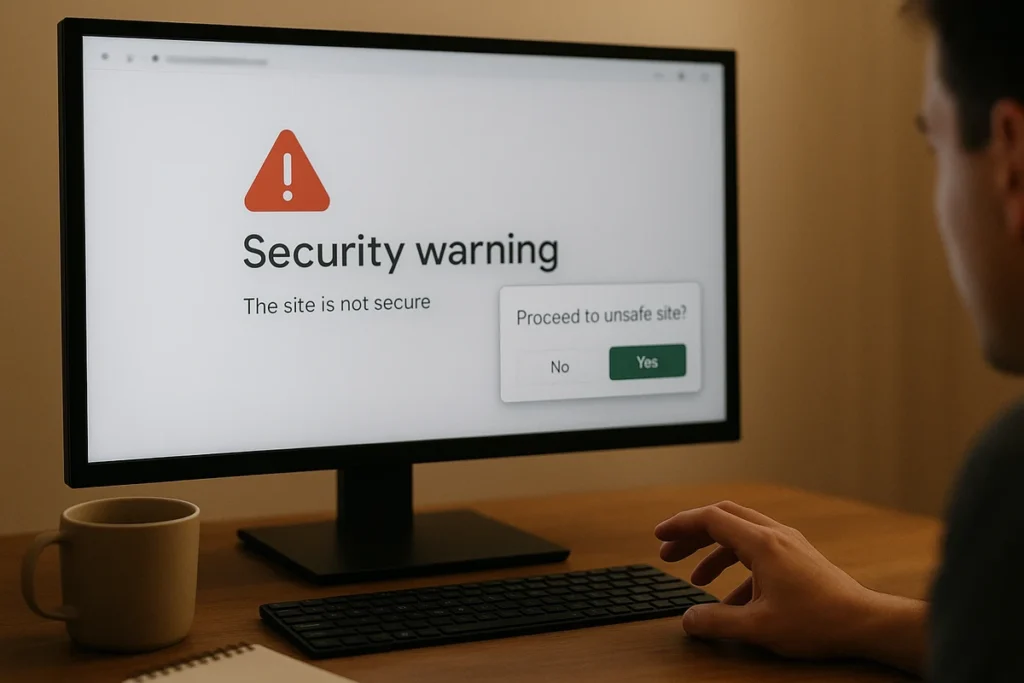
SSL certificates show visitors that their information stays protected with you. Without it, browsers actively warn visitors before they even see your landing page.
Now you might be wondering, how do SSL certificates provide security? It just encrypts your data during transmission to keep personal information private.
Another mandatory tool that increases trust is Security Badges from recognised providers. These reduce anxiety about entering payment details, and signal you’ve taken the key steps to protect user data from cyber threats.
Get the Credibility Your Business Deserves
Finally, you know building trust with web design means respecting users at every stage of the customer journey. So, get the basics right, stay transparent, and avoid manipulative dark patterns that damage credibility.
Your website is often the first impression potential customers get of your business. If you need help creating a site that builds trust naturally, check out our web design services at Graphedge. We create designs that convert visitors and build loyal customers.